Painting Services Northwest Ohio – Painter OH, Interior & Exterior Painting

Painting Services Northwest Ohio – Painter OH, Interior & Exterior Painting

Expert Tips to Define Your Exterior Painting Needs

House painters beginning to paint a large blue wall House painters beginning to paint a large blue wall. Professional house painters in bright room. Painters stock pictures, royalty-free photos & images

When it comes to selecting the best painting company for your project, making an informed decision is critical. The right painting company can enhance the appearance, longevity, and value of your property. However, with so many options available, narrowing down the best fit for your needs requires careful consideration. Below are some essential factors to guide you through the process.

Before searching for a painting company, it’s important to clearly define the scope and requirements of your project. Start by asking yourself these questions:
– Is this a residential or commercial project?
– Do you need interior painting, exterior painting, or both?
– Are there any specific colors or finishes you want to achieve?
– What timeline do you have in mind for completing the work?

By having a detailed understanding of your goals, you’ll be better equipped to communicate your needs with prospective contractors.

Research Local Options

Begin by researching painting companies in your area. Look into their websites, portfolios, and any online reviews they may have received. Here are some ways to identify reliable options:
Online Directories: Check professional platforms such as Angi (formerly Angie’s List) or HomeAdvisor for rated services near you.
Referrals: Ask friends, family, or colleagues if they’ve worked with any exceptional painters recently.
Social Media Presence: Many modern companies showcase their projects on platforms like Instagram or Facebook—use this as an opportunity to evaluate their style and quality.

Assess Key Qualities

Quality Why It Matters
Licensing & Insurance Ensures that the company operates legally and protects you during accidents.
Experience Experienced professionals often deliver higher-quality results efficiently.
Portfolio A strong portfolio demonstrates consistency in their work over time.
Warranty/Guarantee Indicates confidence in their craftsmanship and ensures post-project support.

For each company under consideration, ensure these points are addressed during consultations.

Compare Estimates

Obtaining multiple quotes is necessary before making a final decision. When comparing estimates:
1. Evaluate cost transparency—are costs broken down into labor, materials, prep work?
2. Avoid companies offering overly low prices; this could signal subpar materials or insufficient experience. 3. Factor in warranties included with each quote—investments should come with long-term value.

Red Flags to Watch Out For

While most professional painters are dedicated and skilled at what they do, there are warning signs that indicate potential issues:
– Lack of references from prior clients. – Refusal to provide proof of licensing or insurance. – Aggressive sales tactics urging quick commitments without sufficient information. – Poor communication skills early on (e.g., delays in responding).

Trustworthy contractors will respect your time and decision-making process while providing clear details about their practices.

Careful planning combined with research will help ensure you’re working with professionals who align with both your expectations and budgetary considerations when choosing a painting company.

Achieving Your Vision with a Trusted Painting Company in Ohio

Before embarking on any painting project, it is essential to define a clear vision for what you hope to achieve. A well-thought-out plan not only ensures that the final outcome aligns with your expectations but also streamlines the decision-making process when choosing colors, finishes, and textures. Below are some key considerations and steps to help you clarify your vision for a successful painting project.

1. Assessing Your Goals

Understanding the purpose of your painting project is a critical first step. Ask yourself the following questions:
– Are you refreshing the space for aesthetic reasons?
– Is this part of a larger renovation or home improvement plan?
– Do you want to create a specific ambiance (e.g., warm, modern, cozy)?
– Are you preparing your property for sale or rental?

Identifying these goals will guide every aspect of your decision-making, from color selection to hiring professionals.

2. Selecting the Right Colors

Color plays an essential role in setting the tone and mood of a space. When choosing colors:
Consider Room Function: Soft tones like blues and greens work well in bedrooms for relaxation, while brighter hues like yellows or reds might suit kitchens or dining areas.
Test Paint Samples: Always test paint samples on your walls before committing. Lighting can significantly impact how colors appear throughout the day.
Use Color Psychology: Think about how different shades influence emotions and energy levels within a space.

Example Table: Common Colors and Their Impact
Color Associated Mood Best Used In
Blue Calming and relaxing Bedrooms, bathrooms
Yellow Energizing and cheerful Kitchens, living rooms
Gray Neutral and sophisticated Offices, hallways
Green Refreshing and natural Living rooms, offices

3. Choosing Paint Finishes

  • Matte/Flat Finish: Ideal for low-traffic areas as it hides imperfections but may be harder to clean.
  • Eggshell/Satin Finish: A versatile option that balances durability with softness; perfect for living rooms or bedrooms.
  • Semi-gloss/Gloss Finish: Highly durable and easy to clean; often used in kitchens and bathrooms where moisture resistance is crucial.

4. Prioritizing Specific Areas

If you’re working within a budget or limited timeframe, prioritize high-impact areas such as entryways, accent walls, or exterior facades that can make an immediate visual difference.

5. Visualizing Results

Collaborate with tools like virtual room painters or consult with professionals who can provide renderings for how your chosen colors will look in real life.

Final Thoughts on Vision Alignment

Taking the time upfront to define what you want from your painting project saves time later during execution. Whether it’s achieving harmony between spaces or creating bold focal points, careful planning ensures that each choice supports your desired outcome effectively.

How to Choose the Best Painting Services Northwest Ohio Offers

1. Consistent Quality of Work

Experienced painting companies typically have established processes that ensure consistent results. Over time, they refine their techniques, use high-quality tools and materials, and develop systems to address challenges effectively.

  • Long-Standing Techniques: Reliable companies often have proven methods for surface preparation, application techniques, and proper clean-up.
  • Material Expertise: With years of experience comes an understanding of which paints, primers, or finishes work best for specific surfaces or environments.

2. Proven Track Record of Success

A painting company’s portfolio is often a window into their expertise. By reviewing their completed projects or customer testimonials over the years, you can gauge whether they meet your expectations.

  • Look for companies with diverse project experience (e.g., residential interiors/exteriors, commercial spaces).
  • Check for repeat customers or long-term contracts as indicators of trustworthiness.
Factor Why It Matters
Portfolio Quality Demonstrates ability to handle various styles.
Testimonials/Reviews Evidence of customer satisfaction over time.
Industry Recognition Awards or certifications highlight expertise.

3. Ability to Handle Challenges

Painting projects can present unforeseen challenges such as weather delays, difficult surface conditions, or mismatched colors. Companies with years under their belt are better equipped to adapt and troubleshoot efficiently.

Examples include: – Resolving issues with peeling or uneven paint on older structures. – Managing large-scale commercial jobs with tight deadlines.

Their expertise minimizes risks associated with poor workmanship or extended timelines.

4. Knowledge of Building Codes and Safety Standards

Experienced professionals are more likely to be familiar with local building codes and safety regulations related to painting services. This ensures: – Compliance with environmental standards (e.g., low-VOC paint requirements). – Proper disposal methods for hazardous materials like old lead-based paints.

Working with an experienced company reduces liability concerns while promoting eco-friendly practices.

5. Longevity Reflects Reliability

Companies that have been in business for many years often demonstrate stability and reliability. Longevity also implies consistent delivery on promises—key factors when trusting someone with your property’s aesthetics.

Ask yourself: – Does this company have a history dating back several years? – How long has the team been working together?

Positive answers here indicate strong organizational skills and dedication to service excellence.

Man in a working overall Man in a working overall is painting the wall in white color Painters stock pictures, royalty-free photos & images

Conclusion

Prioritizing experience when selecting a painting company protects your investment by ensuring high-quality results delivered by skilled professionals who understand the craft inside out. Checking portfolios, references from previous clients, safety credentials, and the breadth of past projects can help you make an informed decision tailored specifically to your needs.

How to Choose the Best Company for House Painting OH Residents Can Trust

When selecting a painting company for your project, experience and track records are critical factors to consider. These elements not only reflect the provider’s expertise but also serve as indicators of the quality and reliability you can expect. Below is an exploration of why these attributes are essential, along with practical tips on evaluating them effectively.

The Value of Experience in Painting Services

  • Technical Expertise: Years of practice help professionals master techniques such as surface preparation, color blending, and even application across different materials like wood, drywall, or brick.
  • Problem-Solving Skills: An experienced team is better equipped to handle unforeseen challenges like uneven surfaces or unexpected weather changes during the project.
  • Efficiency: Companies with years of experience often complete projects more efficiently due to streamlined processes developed over time.

Why Track Records Reflect Quality

  1. Portfolio of Completed Projects: A diverse portfolio demonstrates proficiency across varied styles and scales (from residential interiors to commercial exteriors).
  2. Customer Testimonials: Positive reviews from previous clients highlight satisfaction with workmanship, timeliness, and professionalism.
  3. Consistency in Delivering Results: Companies that consistently meet or exceed expectations are likely dependable for your own project goals.

How to Evaluate Experience & Track Records

Factor What to Look For Where to Find Information
Years in Business Verify how long they’ve been operating as professional painters Company website or business directories
Past Project Examples Request images or case studies showcasing completed projects similar to yours Portfolio section on their website or direct inquiries
Client Feedback Analyze customer reviews focusing on themes like quality, communication, and reliability Online review platforms such as Google Reviews or Yelp
Industry Recognition Check for certifications, awards, or professional memberships Company’s “About Us” page or announcements on social media

Red Flags When Evaluating Experience

  • Lack of documented past projects.
  • Reviews containing recurring themes about missed deadlines or poor communication.
  • No references available upon request.
  • Inability to answer questions about past challenges faced during similar projects.

By closely considering these factors while evaluating painting companies’ credentials, you ensure that you’re hiring professionals who bring not just skill but also dependability to your project—qualities essential for achieving the desired results.

Important Questions to Ask Before Hiring an Interior Painting Service

Before hiring a professional painting service, it’s essential to conduct thorough research and ask the right questions to ensure you choose a company that aligns with your needs and expectations. Below are some critical questions to consider, along with their significance in making an informed decision.

1. What is Your Experience in the Industry?

Understanding the company’s experience helps you gauge their expertise and familiarity with different types of projects. Ask questions like:
– How many years have you been in business?
– Have you worked on similar projects before (e.g., residential, commercial, interior, exterior)?
– Can you provide examples of past work or a portfolio?

Experience often translates into better workmanship and efficiency, so this is an important factor to assess.

2. Are You Licensed and Insured?

Hiring a licensed and insured painting company protects you from potential liabilities. Here’s why this question is crucial:
– Licensing ensures the company meets local regulations and standards.
– Insurance safeguards against damages to your property or injuries during the job.

Always request proof of both licensing and insurance before committing.

3. Do You Offer Written Estimates?

A written estimate provides clarity on costs and prevents misunderstandings later. When reviewing an estimate, look for details such as:
– Breakdown of labor costs versus material costs.
– Timeline for project completion.
– Any additional charges that may arise during the project.

A transparent estimate reflects professionalism and helps avoid hidden fees.

4. What Kind of Paint Products Do You Use?

The quality of paint used can significantly impact the durability and aesthetic appeal of your project. Key follow-up questions include:
– Do you use premium brands or budget-friendly options?
– Are your products environmentally friendly or low-VOC (volatile organic compounds)?
– Can I choose specific colors or finishes?

Discussing these details ensures that your preferences are taken into account while maintaining quality standards.

5. What Is Your Typical Project Timeline?

Knowing how long a project will take helps you plan accordingly and manage expectations. Questions to ask include:
– How soon can you start my project?
– Will there be any delays due to weather conditions or other factors?
– How do you handle scheduling conflicts?

This will give you insight into their reliability and ability to meet deadlines.

6. Do You Provide Any Warranty or Guarantee on Your Work?

Reputable painting companies often offer warranties on their services as a sign of confidence in their craftsmanship. Clarify details such as:
– Duration of warranty coverage (e.g., one year, two years).
– What does the warranty cover (e.g., peeling, chipping)?
– Does it include touch-ups or repairs if issues arise after completion?

A warranty provides peace of mind that the company stands behind its work.

7. Who Will Be Performing the Work?

Understanding who will be working on your property allows for better communication throughout the process:
– Will employees handle the painting, or is work subcontracted out?
– Are team members trained professionals or general laborers?

Companies employing skilled painters tend to deliver higher-quality results compared to those relying solely on subcontractors without consistent oversight.

A Sample Checklist for Easy Reference

Question Why It’s Important Follow-Up Notes
“What is your experience?” Assesses expertise & capability Ask about previous similar projects
“Are you licensed/insured?” Protects against liability Request official documents
“Do you provide written estimates?” Ensures transparency Verify breakdown & hidden fees
“What type of paint do you use?” Impacts durability/aesthetic appeal Discuss brand preferences
“Do warranties apply?” Guarantees post-project support Confirm scope/duration

By asking these key questions upfront, you’ll not only minimize risks but also ensure that your project proceeds smoothly with results that match—or exceed—your expectations.


How to Choose the Best Painters Northwest Ohio for Your Home

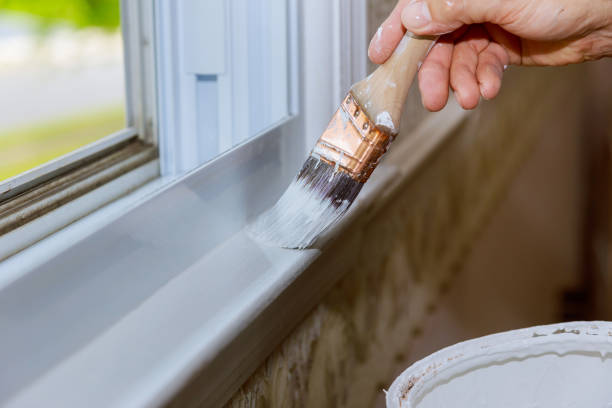
Close up of man hand carefully painting the edge of an house window Close up of a man hand carefully painting the edge of an house window Painters stock pictures, royalty-free photos & images

Evaluate Experience and Expertise

  • Years in Business: Look for painters with a proven track record. Professionals who have been in business for several years often have refined skills and extensive experience.
  • Specialization: Identify whether they specialize in residential, interior, or exterior painting. A painter with the right expertise will deliver better results tailored to your specific needs.
  • Portfolio of Work: Review their previous projects, either through an online gallery or physical samples, to assess their style and quality.

Check Licensing and Insurance

Hiring a painter without proper licensing or insurance can lead to liabilities if accidents occur during the project. Ensure they have:
License: Verify that they are licensed to operate in your area. Licensing often reflects adherence to industry standards.
Insurance: Request proof of liability insurance and workers’ compensation coverage for added protection.

Ask for References and Reviews

Feedback from past clients can provide valuable insights into the painter’s reliability, professionalism, and work quality:
– Contact references provided by the painter directly to ask about their experiences. – Explore online reviews on platforms such as Google, Yelp, or Better Business Bureau (BBB) to detect patterns related to punctuality, communication, and craftsmanship.

Compare Estimates Thoughtfully

While cost is an important factor, it should not be the sole determinant in choosing a painter: | Factor | Questions to Ask | |———————–|——————————————-| | Scope of Work | What tasks are included (prep work, cleanup)? | | Materials | Will high-quality paints/primers be used? | | Timeline | How long will it take to complete? | | Hidden Costs | Are there additional charges I should know? |

Obtain at least three detailed quotes before making a decision.

Assess Communication Skills

Effective communication is key when working with a professional painter: – Observe how promptly they respond to inquiries. – Determine whether they provide clear explanations about processes, products, and timelines.

Red Flags to Avoid

Be cautious if you notice any of these warning signs during your evaluation process: 1. Lack of detailed written estimates. 2. Hesitation in providing references or portfolio samples. 3. High-pressure sales tactics urging you to sign immediately. 4. Unclear licensing or insurance information.

Benefits of Hiring a Professional Painter

Investing in a qualified professional offers several advantages: – Quality Results: Professionals possess advanced techniques that ensure smooth finishes. – Time Efficiency: They complete projects faster while adhering to deadlines. – Safety Compliance: They follow safety protocols when working at heights or handling hazardous materials like solvents.

By carefully evaluating these aspects before hiring, you’ll increase the likelihood of finding a reliable professional who aligns with your goals and expectations—ensuring that your home painting project is handled seamlessly from start to finish.

Finding the Best Painting Company Ohio Offers for Your Next Project

Choosing the right paint color for your home or workspace can transform the entire atmosphere of a room. Popular paint color packs are pre-selected combinations of shades that work harmoniously together, making it easier to design spaces with cohesive aesthetics. Let’s explore how to effectively use these curated packs and identify some trending options in the market.

Discover Top-Quality Painting Services Northwest Ohio

Paint color packs are curated collections of complementary colors designed to simplify the selection process. They typically include:
Primary Wall Colors: Shades used for larger surfaces like walls or ceilings.
Accent Colors: Bold or subtle tones added for emphasis on smaller areas, such as feature walls or trims.
Neutral Base Tones: Soft hues that act as a foundation and pair well with other colors.

These packs are particularly helpful when you want a polished, designer-quality look without hiring an interior decorator.

Discover the Advantages of House Painting OH with Pre-Curated Color Packs

  1. Simplifies Decision-Making
    Choosing from thousands of individual shades can be overwhelming. Color packs take the guesswork out by narrowing options to palettes that already work together.
  2. Harmonious Design
    Each shade in a pack complements the others, creating balanced and visually pleasing results.
  3. Time-Saving Approach
    With pre-selected combinations, you spend less time comparing swatches and more time focusing on execution.
  4. Professional-Looking Results
    These curated palettes often reflect current design trends and expert recommendations, ensuring your space feels contemporary yet timeless.

1. Warm Neutrals Pack

This trend features soothing tones like beige, taupe, cream, and light caramel paired with muted accents like terracotta or soft blush pinks. Ideal for creating inviting living rooms or cozy bedroom retreats.

2. Earthy Green Palettes

Combining sage greens, olive tones, and mossy hues with warm neutrals like sand or off-white creates an organic ambiance perfect for kitchens or dining rooms.

Shade Name Suggested Use Finish Options
Sage Whisper Wall color Matte / Eggshell
Forest Edge Accent wall Satin
Natural Linen Trim/baseboard Semi-gloss

3. Monochromatic Blues Pack

For calming spaces such as bathrooms or offices, monochromatic blues—ranging from powder blue to navy—are timeless choices reminiscent of coastal serenity.

4. Bold Contrasts Pack

Those seeking drama may prefer bold contrasts: deep charcoal grays paired with mustard yellow accents or navy blue mixed with bright corals to create visual intrigue in modern interiors.

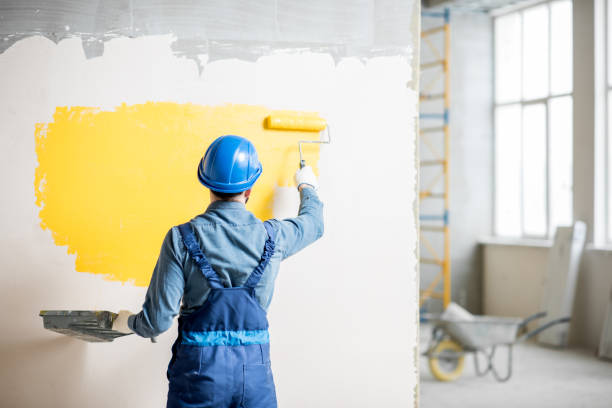
Workamn painting wall indoors Workman in uniform painting wall with yellow paint at the construction site indoors Painters stock pictures, royalty-free photos & images

How to Choose the Perfect Palette for Exterior Painting

  • Consider Room Functionality: Lighter colors work well in spaces meant for relaxation (bedrooms), while brighter tones energize active areas (kitchens).
  • Evaluate Lighting: Natural light can alter how paint looks during different times of the day; always test samples on walls before committing to a full application.
  • Think Long-Term: Choose shades you’ll enjoy over time rather than chasing fleeting trends.
  • Coordinate With Existing Décor: Ensure colors complement furniture styles, flooring materials, and accessories already present in your space.

By leveraging popular paint color packs thoughtfully—and tailoring them based on room features—you can achieve stunning results effortlessly while reflecting personal taste within any environment you desire to enhance!

Exploring Popular Paint Color Packs for Your Next Project

Selecting the right color palette for your next painting project can make a world of difference in creating the ideal atmosphere for your space. Paint manufacturers have curated popular paint color packs to simplify the decision-making process while ensuring professional-grade results. Below, we delve into essential considerations and some of the most popular paint color packs available.

Benefits of Using Pre-Curated Paint Color Packs

  • Time-Saving: Pre-selected options reduce the need for extensive research and testing.
  • Expertly Coordinated: Colors are chosen by design experts to ensure balance and cohesion.
  • Versatility: Options exist to suit every room type, mood, and style preference.
  • Easier Matching: These packs align with furniture, décor, and lighting more seamlessly.

Popular Paint Color Pack Themes

Theme Description Common Colors Included
Modern Minimalism Focuses on neutral tones for sleek, uncluttered spaces Soft whites, grays, beiges
Earthy Naturals Inspired by nature, perfect for creating a calming environment Sage green, terracotta, warm taupes
Coastal Serenity Evokes beachside tranquility with light blues and sandy hues Pale blues, aquas, creamy whites
Bold Statements Ideal for accent walls or creating energetic spaces Deep reds, navy blues, rich yellows
Traditional Elegance Classic hues that never go out of style Burgundy reds, classic greens

Choosing the Right Pack for Your Space

  1. Assess Your Lighting Conditions: Natural vs. artificial light impacts how colors appear at different times of day.
  2. Identify Room Functionality: Consider how you use each space (e.g., cozy neutrals in bedrooms vs. bold colors in dining areas).
  3. Factor in Existing Décor: Ensure your selected palette complements furniture pieces and décor elements already present.
  4. Experiment with Samples: Test swatches from at least two or three packs on small sections of your wall before committing.

Tips for Using Paint Color Packs Effectively

  • Pair lighter tones with darker accents from within the same pack to add depth without overwhelming a space.
  • Use transitional shades (such as off-whites) between rooms painted in different colors from one pack.
  • Apply bolder hues sparingly as accent walls or trims while reserving softer shades as base colors.

Whether you’re refreshing a single room or revamping an entire home interior, exploring curated paint color packs can streamline your project and ensure visually stunning results tailored to your specific needs.

Understanding Warm Neutral and Earthy Neutral Paint Trends

When it comes to painting your home, choosing the right color palette is just as important as selecting a high-quality paint. In recent years, warm neutral and earthy neutral paint colors have gained significant popularity due to their versatility, timelessness, and ability to create a cozy atmosphere. This guide will help you understand these trends, their benefits, and how to incorporate them into your space.

What Are Warm Neutral Paint Colors?

  • Beige with golden undertones
  • Soft taupe
  • Creamy whites
  • Light caramel or honey hues

Warm neutrals are especially effective in spaces where you want to foster intimacy, such as living rooms, dining areas, or bedrooms.

What Are Earthy Neutral Paint Colors?

  • Sage green
  • Clay brown
  • Charcoal gray
  • Stone taupe
  • Sand beige

These colors work particularly well in modern or rustic interiors where the goal is to create tranquility and align with nature-inspired aesthetics.

Benefits of Using Warm Neutrals and Earthy Neutrals

  1. Timelessness: Unlike bold colors that may go out of style quickly, these shades remain classic over time.
  2. Versatility: They complement a wide range of design styles—from minimalism to traditional aesthetics.
  3. Mood Enhancement: Warm tones can evoke comfort and coziness while earthy tones offer calmness and balance.
  4. Easy Pairing: They pair well with both vibrant accent colors (mustard yellow or navy blue) and other subtle shades.

How to Use These Trends in Your Space

  1. Monochromatic Schemes: Layer different shades within the same palette for added depth (e.g., pairing cream walls with taupe furniture).
  2. Accent Walls: Use an earthy tone like sage green on one wall while keeping the others lighter for contrast.
  3. Trim & Molding: Highlight architectural details by using warm white or beige for trims against deeper earth-toned walls.
  4. Furniture & Decor Coordination: Complement painted walls with textured fabrics like linen curtains or woven rugs in similar hues.

Warm vs Earthy Neutrals: A Comparison Table

Feature Warm Neutrals Earthy Neutrals
Undertones Reds, yellows Greens, browns
Mood Created Cozy & inviting Calm & grounded
Popular Spaces Living room; bedroom Kitchen; home office
Best Complementary Colors Cool blues; deep grays Muted pinks; charcoal black

Embracing warm neutral and earthy neutral paint trends allows homeowners to craft spaces that are not only stylish but also welcoming year-round. By understanding their unique characteristics and applications, you can confidently select hues that enhance your home’s atmosphere while staying timelessly elegant.

Must-Have Painting Tools and Supplies for a Perfect Finish

Achieving a professional-looking paint job requires the right tools and materials. Whether you’re painting your walls, ceilings, or furniture, investing in quality supplies can make all the difference. Below is a detailed guide to the must-have painting tools and supplies that ensure a smooth process and an impeccable finish.

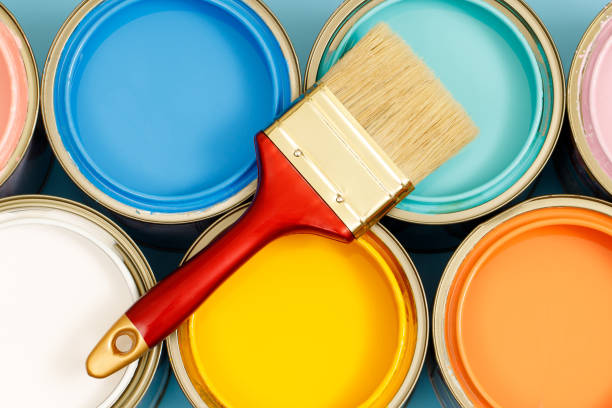
Paint cans and paint brushes and how to choose the perfect interior paint color and good for health Paint cans and paint brushes and how to choose the perfect interior paint color and good for health Painters stock pictures, royalty-free photos & images

Essential Painting Tools

  1. Angled Brushes: Ideal for cutting in along edges and corners.
  2. Flat Brushes: Great for large surfaces with consistent strokes.
  3. Look for brushes with synthetic bristles for water-based paints or natural bristles for oil-based paints.
  4. Choose rollers with varying nap lengths based on your surface:
    • Short Nap (¼ to ½ inch): For smooth surfaces like drywall.
    • Medium Nap (½ to ¾ inch): For lightly textured walls.
    • Long Nap (¾ inch or more): Best suited for rough surfaces like brick or concrete.
  5. High-quality roller covers minimize lint loss during application.
  6. Use painter’s tape to create clean edges and protect trim, baseboards, and window frames.
  7. Trays simplify loading paint onto rollers effectively without spilling.
  8. Disposable liners make cleanup fast and hassle-free.
  9. Attach an extension pole to your roller handle to easily reach ceilings or high walls without ladders.
  10. Protect floors, furniture, and other surfaces from paint splatters.
    • Canvas cloths are durable and reusable.
    • Plastic sheeting works well for single-use purposes but may become slippery.

Miscellaneous Supplies

  • Sandpaper or Sanding Block Smooth any imperfections on walls before priming or painting to achieve better adhesion. Opt for medium-grit sandpaper (120-150) followed by fine-grit (220).
  • Paint Can Opener This small tool makes opening paint cans effortless compared to using screwdrivers or other makeshift items that can damage the lid.
  • Stirring Stick Properly mix paint before starting in order to distribute pigments evenly throughout the can.
  • Putty Knife Use a putty knife to fill cracks, holes, or dents in walls with spackling paste before painting.
  • Primer A good primer ensures better paint coverage while sealing porous surfaces like new drywall.

Advanced Tools for Professional Results

Tool Purpose Notes
Paint Sprayer For quick application on large areas Requires practice; best for outdoor use
Edging Tool Helps achieve precise lines around tight spaces Alternative to painter’s tape
Ladder/Step Stool Necessary when working on high ceilings Choose one with appropriate height

Benefits of Investing in Quality Supplies

Selecting premium-quality tools upfront often saves time and money in the long run. Here’s why:
– Reduces mess caused by low-grade materials (e.g., shedding bristles). – Ensures even application of paint layers. – Minimizes the need for touch-ups due to tools breaking mid-project.

By assembling these essential tools beforehand, you’ll set yourself up for success as you tackle any painting project confidently while aiming for flawless results every time.

Step-by-Step Guide to Hiring the Best Painter for Your Needs

Hiring a professional painter can make the difference between a flawless finish and a mediocre result. However, finding the right painter requires careful consideration. From assessing credentials to managing expectations, this step-by-step guide will help you hire the best professional for your painting project.

Step 1: Define Your Project Requirements

Before reaching out to painters, it’s essential to understand your own needs. Ask yourself:
– What areas of my home need painting? (e.g., interior walls, ceilings, exterior)
– Are there specific colors or finishes I want?
– Do repairs or preparation work (like filling cracks or sanding) need to be done?

Having clear goals allows you to explain your expectations effectively and helps painters provide accurate estimates.

Step 2: Research Local Painters

Start by gathering a list of potential candidates. You can do this by:
– Asking friends, family, and neighbors for recommendations.
– Searching online directories such as Yelp, Angi (formerly Angie’s List), or Google Maps reviews.
– Checking local social media groups for referrals.

Look for professionals with positive reviews and examples of completed projects that align with your vision.

Step 3: Verify Credentials and Experience

To ensure quality work, verify that the painters you’re considering have the necessary qualifications. Look for:
Licensing and Insurance: Confirm they carry liability insurance in case of damage or accidents during the project. This safeguards both parties.
Experience: Ask how long they’ve been in business and whether they specialize in residential projects like yours.
References: Request contacts from previous clients who can vouch for their craftsmanship and reliability.

Step 4: Request Detailed Estimates

Item Details
Labor Costs Hourly rate or flat fee per project
Materials Types/brands of paint & supplies used
Surface Preparation Cleaning, sanding, priming included
Timeline Estimated start and completion dates

Compare these quotes carefully—not just on cost but also on scope of services provided.

Step 5: Review Contracts Thoroughly

Before hiring any painter, ensure there is a legally binding contract in place outlining all agreed-upon terms. Key elements include: – A clear breakdown of costs. – Payment schedule (e.g., deposit amount vs remaining balance). – Deadlines and guarantees regarding workmanship quality.

Avoid contractors who are unwilling to sign formal agreements—it may be a red flag.

Step 6: Assess Communication Skills

Clear communication is critical throughout any home improvement project. Take note of how responsive each painter is during initial conversations: – Do they answer questions thoroughly? – Are they willing to explain their process? Good communication builds trust and ensures smoother collaboration during the project.

Step 7: Monitor Progress During Execution

Once you’ve hired a professional painter: 1. Regularly check progress against agreed milestones. 2. Address issues promptly if something doesn’t meet expectations. 3. Provide feedback constructively—most professionals value input when it improves results.

By following these steps systematically, you increase your chances of hiring an experienced painter who delivers excellent results tailored specifically to your needs.


How Exterior Painting Experts Can Simplify Overwhelming Color Choices

painter painting with paint roller Back view of painter painting a wall with paint roller, with copy space Painters stock pictures, royalty-free photos & images

Choosing the perfect color palette for your home can be an exciting yet challenging task. With thousands of shades, tones, and finishes available on the market, it’s easy to feel overwhelmed. This is where hiring professional painters or color consultants can make a difference. Their expertise and industry knowledge can simplify the decision-making process, ensuring that your space achieves both aesthetic appeal and functionality.

Expertise in Color Theory

Professionals are well-versed in color theory, which plays a crucial role in selecting complementary shades and creating harmonious spaces. They understand how colors interact with light, furniture, and architectural elements, allowing them to suggest options you may not have considered.

For example:
Warm tones like earthy reds or soft oranges create cozy environments ideal for living rooms or dining areas.
Cool tones like blues or greys evoke calmness and are often recommended for bedrooms or offices.
Neutral palettes provide versatility; they serve as great backdrops for art or other bold decor elements.

Access to Tools and Resources

When faced with indecision, professionals often use advanced tools such as digital renderings to show how specific colors will look in your space under different lighting conditions. They might also provide large sample swatches so you can see how paint colors appear at various times of day.

Tailored Recommendations Based on Your Needs

A professional will consider factors such as:
Room size: Lighter colors make smaller spaces feel larger, while darker hues add depth to oversized rooms.
Natural lighting: South-facing rooms benefit from cool shades to tone down brightness, whereas north-facing spaces can feel cozier with warm hues. – Purpose of the room: A child’s playroom might benefit from fun, vibrant colors while a home office would require more subdued tones for focus.

These personalized insights ensure that your chosen color scheme enhances both form and function.

Saving Time and Reducing Stress

Instead of spending hours researching paint samples or second-guessing your choices, professionals streamline the process by narrowing down options tailored specifically for your project goals. This allows you to focus on other aspects of renovation without unnecessary stress.

Budget Optimization

Color experts can help you avoid costly mistakes by steering you away from unsuitable choices that may clash with your overall design vision. Additionally: – They know which brands provide durable finishes for high-traffic areas. – They recommend paints with high coverage rates that minimize wastage.

Budget-Friendly Tips by Professionals Benefits
Opting for versatile neutral base coats Lower repainting costs if design trends change
Choosing high-quality paint finishes Longer-lasting results requiring fewer touch-ups
Testing small samples before purchasing gallons Avoids over-purchasing unnecessary products

An Objective Perspective

Sometimes personal preferences might limit creativity when selecting colors for a space. A professional offers an unbiased perspective that incorporates trends while aligning with your personal style.

Hiring professionals eliminates guesswork when facing overwhelming choices in color selection, ensuring thoughtful decisions that maximize beauty and functionality throughout your home.

Painters Northwest Ohio: Understanding the Difference Between Limewash, Lime Paint, and Lime Plaster for Your Next Painting Project

When approaching a new painting project, understanding the difference between limewash, lime paint, and lime plaster can help you make informed decisions about the materials and finishes that suit your space. These materials, while similar in some ways, each have unique properties and applications that can significantly impact both aesthetics and functionality. Below is an in-depth breakdown of these three options.

What Is Limewash?

Limewash is a traditional finish made from slaked lime and water. It has been used for centuries due to its natural composition and versatility.

Key Characteristics of Limewash:Matte Finish: Provides a soft, chalky texture that absorbs light beautifully. – Natural Composition: Made from limestone that has been heated, mixed with water, and aged. – Breathability: Allows moisture to evaporate rather than trapping it within walls. – Subtle Color Variations: Creates depth through its layered application.

When to Use Limewash: Limewash is ideal for historic homes or rustic interiors where subtle texture and natural finishes are desired. It works well on porous surfaces like brick or stone but may require additional preparation when applied to drywall or nonporous substrates.

What Is Lime Paint?

Lime paint shares some similarities with limewash but differs in key ways due to its formulation. It includes pigments and other binders that enhance its durability and coverage.

Key Characteristics of Lime Paint:Versatile Application: Can be used on a wider range of surfaces compared to limewash. – Higher Opacity: Offers more consistent coverage with fewer coats. – Customizable Colors: Available in a variety of shades thanks to added pigments.

When to Use Lime Paint: This finish works well in modern interiors where you want the texture of lime-based finishes without sacrificing durability or color consistency.

Feature Limewash Lime Paint
Surface Coverage Less opaque More opaque
Durability Moderate Higher
Application Best on porous surfaces Suitable for most surfaces
Color Range Limited Extensive

What Is Lime Plaster?

Lime plaster is different from both limewash and lime paint because it’s applied as a thicker layer to create textured wall finishes. It’s commonly made by mixing slaked lime with sand or other aggregates.

Key Characteristics of Lime Plaster:Thick Application: Applied as layers rather than thin coats. – Textural Variety: Can be polished for a smooth look or left rough for added character. – Highly Durable: Forms a robust finish over time due to carbonation (reaction with CO2).

When to Use Lime Plaster: Lime plaster is particularly effective for adding depth and richness to walls in high-end residential or commercial spaces. It’s often associated with Venetian plaster techniques or Tuscan-inspired interiors.

How Do They Differ?

To summarize their distinctions: 1. Limewash provides an antique-style matte effect but requires porous substrates like brick or stone. 2. Lime Paint offers greater flexibility across surface types while delivering similar textures. 3. Lime Plaster creates dramatic textured finishes suitable for feature walls or luxury designs.

Choosing between these three options depends largely on the aesthetic goals of your project as well as practical considerations such as durability requirements, surface type, and maintenance preferences.

By understanding these differences, you can confidently select the right material that aligns with your vision while delivering long-lasting results tailored to your space’s unique needs.

How to Choose a Painting Company Ohio Residents Trust for Wallpaper Installation and Selection

Wallpaper installation can elevate the appearance of your space, bringing texture, pattern, and personality to your walls. However, it’s important to approach this project with a clear understanding of costs and how your wallpaper choices influence the installation process. Below, we explore steps to obtaining an accurate estimate and why your selection matters for both budget and design outcomes.

Steps to Get an Accurate Wallpaper Installation Estimate

  1. Measure Your Walls
    Start by determining the dimensions of the area you wish to cover. Measure both the height and width of each wall, accounting for doors, windows, or other structural elements that may reduce the amount of wallpaper needed.
  2. Use a measuring tape for precise dimensions.
  3. Multiply height by width for each wall to calculate square footage.
  4. Deduct areas like windows or built-ins from your total square footage.
  5. Understand Pattern Repeat
    If you’re selecting a patterned wallpaper, inquire about its “pattern repeat.” This refers to how frequently a design repeats on the roll and impacts how much extra material is required for proper alignment during installation. Larger patterns may result in more waste compared to solid colors or smaller patterns.
  6. Consult a Professional Installer
    While online calculators can provide rough estimates, professionals bring expertise in accounting for complexities such as uneven walls or intricate designs. Share details about your chosen wallpaper type (e.g., vinyl vs. grasscloth) so they can provide accurate labor costs based on material-specific challenges.
  7. Request Itemized Quotes
    Seek itemized estimates that break down:

    • Cost of labor per square foot.
    • Additional charges for prep work (like repairing damaged walls).
    • Expected waste due to pattern matching.
    • Any extra fees related to travel or working in high spaces (like ceilings).
  8. Factor in Removal Costs (if applicable)
    If you need existing wallpaper removed before installation, confirm this step is included in the quote as it often incurs additional labor charges.

video thumbnail

Why Your Wallpaper Selection Matters

Choosing the right wallpaper goes beyond aesthetics—it influences cost, durability, and ease of application.

Material Type

The type of wallpaper you select significantly affects installation complexity: – Vinyl Wallpapers: Durable and relatively easy to install but may require careful smoothing tools. – Grasscloth: Natural fibers create texture but are prone to visible seams. – Peel-and-Stick: Ideal for DIY projects but often more expensive per roll compared to traditional options.

Material Type Ease of Installation Durability Cost Range ($/Roll)
Vinyl Moderate High $20–$50
Grasscloth Challenging Medium $50–$150
Peel-and-stick Easy Medium $30–$70

Design Complexity

Intricate patterns require careful alignment during application, increasing labor time (and therefore costs). Similarly: – Bold prints might overpower small rooms if not balanced with complementary decor. – Subtle textures add depth without overwhelming minimalist interiors.

Room Functionality

Think about wear-and-tear when selecting materials: – Kitchens and bathrooms benefit from moisture-resistant vinyl options. – Bedrooms or living rooms offer greater flexibility with delicate finishes like silk-backed wallpapers.

Final Thoughts

By carefully measuring your space and sharing detailed information about your project with professional installers, you’ll achieve more precise cost estimates that align with your budget and vision. Additionally, making informed decisions about material types and designs ensures that both aesthetic appeal and functional requirements are met seamlessly during installation.

Discover Professional Painting Services Northwest Ohio for Your Next Interior Project

Lime plaster is gaining renewed attention in the world of interior design, thanks to its timeless aesthetic, environmentally friendly properties, and versatile application. Unlike conventional paints or plasters, lime plaster offers a unique texture and finish that adds depth and character to any space. Below, we explore the key characteristics that make lime plaster a standout choice for interior painting projects.

What is Lime Plaster?

Lime plaster is made from natural materials such as calcium hydroxide (lime) combined with sand or marble dust. When applied, it reacts with carbon dioxide in the air to create a durable surface over time. This chemical process, called carbonation, gives lime plaster its distinctive hardness and breathability.

Benefits of Using Lime Plaster

  • Lime plaster creates an elegant matte finish with subtle variations in texture.
  • The material’s natural tone provides an earthy warmth that complements both modern and traditional interiors.
  • It can be tinted with pigments to achieve custom colors while retaining its organic look.
  • Made from natural ingredients, lime plaster is free from synthetic chemicals commonly found in conventional paints.
  • It has a low carbon footprint because it reabsorbs CO2 during the carbonation process.
  • Lime plaster allows walls to “breathe,” reducing moisture buildup which can lead to mold or mildew.
  • This makes it ideal for older homes or regions with fluctuating humidity levels.
  • Over time, lime plaster hardens into an incredibly resilient surface.
  • Properly maintained lime-plastered walls can last for decades without needing significant repairs.

Key Differences Between Lime Plaster and Regular Paint

Feature Lime Plaster Regular Paint
Composition Natural ingredients like lime Synthetic chemicals and pigments
Durability Long-lasting; improves with age Subject to chipping or peeling
Breathability High breathability Low breathability
Aesthetic Textured matte finish Smooth finish
Environmental Impact Eco-friendly May contain VOCs

Common Uses of Lime Plaster in Interiors

  1. Accent Walls: Highlighting a single wall with lime plaster creates visual interest through its rich texture.
  2. Ceilings: Using lime plaster on ceilings adds dimension without overwhelming the space.
  3. Fireplaces: Its heat-resistant properties make it well-suited for fireplace surrounds.
  4. Bathrooms: The breathable nature of lime prevents moisture retention, making it excellent for humid areas like bathrooms.

Tips for Applying Lime Plaster

  • Prepare the surface thoroughly by cleaning and repairing any imperfections.
  • Apply multiple thin coats rather than one thick coat to ensure even coverage.
  • Use specialized tools like trowels or sponges for desired textures—smooth finishes require burnishing techniques while rougher textures benefit from stippling methods.
  • Allow each layer ample time to dry before applying subsequent coats; this ensures durability over time.

Why Choose Lime Plaster?

Lime plaster offers an unparalleled blend of functionality and artistry that appeals to those seeking both beauty and sustainability in their homes. Whether you favor rustic charm or sleek minimalism, this traditional material adapts effortlessly across styles while standing as a testament to craftsmanship rooted in history yet relevant today.

Why Limewash Painting is a Favorite Finish and How It Differs from Regular Paint

Limewash painting has grown in popularity due to its unique aesthetic appeal and inherent benefits. Unlike traditional paint, limewash offers an organic, textured finish that creates depth and character in a space. Understanding its distinct qualities can help you determine whether it’s the right choice for your next project.

What is Limewash Paint?

Limewash is a natural, mineral-based paint made from crushed limestone and water. When applied to porous surfaces, it absorbs into the material rather than sitting on top like conventional paints. This chemical reaction creates a matte, chalky texture that feels both timeless and earthy.

Key characteristics of limewash include:
Eco-friendliness: Made from natural materials with no synthetic additives.
Breathability: Allows moisture to evaporate, reducing the risk of mildew or mold on walls.
Textured finish: Creates a soft, weathered look with subtle variations in tone.

Differences Between Limewash and Regular Paint

Aspect Limewash Paint Regular Paint
Composition Natural minerals (limestone) Synthetic pigments and resins
Application Requires multiple thin coats; absorbs into surface Single or double coat; sits on surface
Finish Matte with tonal variations Smooth with uniform coverage
Durability Ages beautifully but may need reapplication over time Longer-lasting without touch-ups
Surface Compatibility Best for porous surfaces like plaster or brick Suitable for most primed surfaces
Environmental Impact Low (natural ingredients) Moderate to high (depending on VOCs)

Benefits of Using Limewash

  1. Timeless Aesthetic Appeal
    The subtle color variation created during application gives spaces a vintage charm that’s hard to replicate with standard paints.
  2. Natural & Non-Toxic
    Because limewash contains no harsh chemicals or volatile organic compounds (VOCs), it’s safe for use in homes aiming for eco-conscious designs.
  3. Temperature Regulation
    Lime-based finishes can help moderate indoor temperatures by naturally absorbing excess humidity.
  4. Customizable Colors
    While traditionally offered in neutral tones such as whites and greys, modern limewashes are available in an extensive palette of colors.

Painter man painting the wall in home, with paint roller and white color paint. Room renovations at house. Painter man painting the wall in home, with paint roller and white color paint. Room renovations at house. Painters stock pictures, royalty-free photos & images

Tips for Applying Limewash

  • Prepare the Surface Properly: Ensure walls are clean and porous enough to absorb the product effectively.
  • Apply Multiple Thin Coats: Two or more layers will create depth while allowing the material’s natural texture to shine.
  • Experiment with Techniques: Use brushes or sponges to achieve varied finishes depending on your design preferences.
  • Test Before Full Application: Always try a sample patch first since limewash reacts differently based on wall texture and lighting conditions.

When Should You Choose Limewash Over Regular Paint?

Limewashing is ideal if you’re aiming for an earthy aesthetic that enhances architectural elements such as exposed brick or stucco walls. It’s also perfect if you’re looking for an environmentally responsible option that aligns with sustainable living principles. However, if you require total coverage over non-porous surfaces such as drywall or prefer vibrant colors without textural variation, regular paint might be more suitable.

By understanding how limewash differs from traditional paints and exploring its advantages, you can make an informed decision about whether this unique finish aligns with your vision for your space.

House Painting OH: Should You Wallpaper Your Ceiling? Essential Tips from Designers

When it comes to home design, ceilings are often overlooked as an opportunity for creative expression. However, wallpapering the ceiling has become a trending technique, offering a unique way to enhance a room’s aesthetics. While this design choice can introduce elegance and depth, it requires careful planning and execution. Here are some essential tips from interior designers to help you make an informed decision.

Benefits of Wallpapering Your Ceiling

  • Creates Visual Interest: A wallpapered ceiling becomes an unexpected focal point, drawing the eye upward.
  • Adds Depth and Dimension: Textures or patterns on the ceiling can make flat spaces feel more layered and dynamic.
  • Defines a Theme: Whether bold or subtle, the right wallpaper choice can tie together other elements in the room.
  • Covers Imperfections: If your ceiling has surface irregularities or blemishes, wallpaper offers an effective solution to mask them.

Choosing the Right Wallpaper for Ceilings

  1. Use larger patterns for spacious rooms with high ceilings.
  2. Opt for smaller, intricate designs in compact areas to avoid overwhelming the space.
  3. For a cohesive look, pick colors that complement your existing furniture and wall paint.
  4. Lighter shades can make ceilings appear taller, while darker tones add coziness.
  5. Vinyl wallpapers are durable and easy to clean but may not work well in every setting.
  6. Textured or metallic wallpapers reflect light beautifully but require professional installation.
  7. In bedrooms or living rooms, opt for calming tones or subtle designs.
  8. For bold statements, consider vibrant prints in dining rooms or entryways.

Professional Installation vs DIY

Factor Professional Installation DIY Approach
Skill Level Requires expertise Demands advanced skills
Equipment Needed Specialized tools Ladder & adhesive supplies
Time Commitment Faster completion Longer installation period
Outcome Quality Flawless finish Risk of wrinkles/tears

If you’re attempting this on your own, ensure proper preparation by priming the surface and having someone assist with alignment.

Tips for Successful Application

  • Always measure correctly before ordering materials; aim for 10–15% extra paper for mistakes or future repairs.
  • Prepare a smooth surface by cleaning and patching any imperfections.
  • Align patterns carefully if using multiple strips—crooked seams will be very noticeable overhead.
  • Use proper adhesives designed specifically for the type of wallpaper you’ve selected.

When Not to Wallpaper Your Ceiling

  • Low-ceilinged spaces with bold patterns may feel cramped.
  • Bathrooms or kitchens with excessive moisture may cause certain wallpapers to peel over time unless treated appropriately.

Wallpapering your ceiling is an excellent way to add sophistication and character while redefining design boundaries. Proper planning and execution ensure that this design element elevates any room seamlessly instead of clashing with existing decor choices.

Transforming Your Home with Modern Tuscan Interior Design Through Thoughtful Paint Choices

Modern Tuscan interior design embodies warmth, elegance, and a timeless connection to nature. By focusing on earthy tones, textured finishes, and strategic use of color, you can transform your home into a cozy yet sophisticated retreat. Thoughtful paint choices play a central role in achieving this aesthetic. Below is a guide to incorporating modern Tuscan elements into your home using paint as the foundation.

Key Characteristics of Modern Tuscan Interior Design

  • Warm Color Palette: Rich earth tones like terracotta, ochre, burnt sienna, and olive green are staples.
  • Natural Materials: Incorporating textures like stone walls or wooden beams complements the painted surfaces.
  • Aged Finishes: Faux finishes such as limewash or Venetian plaster add depth and character to walls.

Selecting Colors for a Modern Tuscan Aesthetic

Color Family Suggested Shades Usage Ideas
Earthy Neutrals Warm beige, taupe Base wall color for living areas
Rich Reds & Terracotta Burnt orange, deep maroon Accent walls or dining spaces
Olive Greens Soft sage, muted olive Kitchen cabinets or trim work
Warm Yellows Goldenrod Hallways or entryways

Tips for Using Paint to Capture Modern Tuscan Style

  1. Incorporate Textured Finishes: Traditional Tuscan homes feature aged and textured walls. Use techniques like limewash or Venetian plaster to mimic this effect while maintaining durability.
  2. Layer Complementary Tones: Create depth by layering colors within the same palette (e.g., combining warm neutrals with deeper terracotta tones).
  3. Highlight Architectural Features: Use contrasting shades to draw attention to arches, niches, or crown molding.
  4. Balance Bold Colors with Subtle Neutrals: If you choose a strong accent wall in terracotta or olive green, balance it with neutral tones elsewhere to avoid overwhelming the space.

Common Mistakes to Avoid

  • Avoid overly bright or artificial colors that detract from the natural feel of the style.
  • Be cautious about using too many different shades in one room; aim for cohesion across the palette.
  • Don’t forget lighting—ensure your chosen hues appear warm under both natural and artificial lighting.

Pairing Paint with Other Design Elements

  • Combine painted walls with stone accents (e.g., natural stone fireplace surrounds).
  • Use exposed wood beams alongside soft earthy hues.
  • Include soft textiles like linen curtains or area rugs that complement your palette’s warmth.

By thoughtfully selecting paints that evoke the spirit of Tuscany while adapting them for today’s interiors, you can achieve a harmonious blend of rustic charm and modern refinement in your home.

Transform Your Home with Interior Painting: Boost Aesthetics and Well-Being

The transformative power of paint extends far beyond aesthetics. It not only defines the visual identity of your home but also impacts mood, productivity, and even overall well-being. Choosing the right paint color, finish, and technique can elevate your living space into one that feels harmonious, functional, and inviting. Below, we explore how paint plays a crucial role in enhancing both the visual appeal and emotional atmosphere of your home.

Creating a Cohesive Aesthetic

  • Stick to a Color Scheme: Use complementary or analogous color schemes to maintain consistency across spaces.
  • Experiment with Neutrals: Neutral tones like beige, gray, or white provide flexibility while creating an open and airy feel.
  • Use Accents Wisely: Add bold accent walls to create focal points without overwhelming smaller spaces.

Psychological Impact of Color

Room Type Suggested Colors Emotional Effect
Living Room Warm tones like terracotta or peach Promotes comfort and sociability
Bedroom Cool shades like blue or lavender Encourages relaxation and calm
Kitchen Soft greens or yellows Inspires energy and creativity
Home Office Muted greens or grays Enhances focus and productivity

Understanding this connection between space function and color psychology can significantly improve how you experience your home.

Enhancing Natural Light with Paint Finishes

  • Glossy Finishes: Reflect the most light; ideal for kitchens or bathrooms where durability is key.
  • Satin Finishes: Offer subtle reflection for areas like hallways.
  • Matte Finishes: Absorb light; best suited for bedrooms to create a softer ambiance.

Maximizing natural light through strategic paint choices can make spaces feel brighter and more spacious.

Improving Well-Being Through Non-Toxic Options

Low-VOC (volatile organic compounds) paints are increasingly popular among homeowners looking to improve indoor air quality. These eco-friendly options reduce exposure to harmful chemicals, creating healthier environments—especially important in children’s rooms or nurseries.

When selecting non-toxic paints: – Look for labels indicating “low-VOC” or “zero-VOC.” – Choose water-based formulas over oil-based alternatives. – Research brands known for sustainability efforts.

Final Thoughts on Elevating Your Space with Paint

Through intentional paint choices—whether related to color psychology, finishes, or eco-conscious selections—you can transform any room into one that promotes both beauty and well-being. By understanding how these factors interact within your living environment, you’ll be better equipped to create spaces that truly feel like home.


Find Top-Quality Painting Services Northwest Ohio for Your Next Project

Male painter painting a ceiling One man, mature male house painter standing on a ladder and painting a ceiling with paint roller, indoors in a house. Painters stock pictures, royalty-free photos & images

When undertaking a painting project, hiring expert painting contractors or professional home painters can make a significant difference in the outcome. Whether it’s refreshing your living space or enhancing the curb appeal of your property, skilled professionals bring experience, efficiency, and high-quality results to the table. Here’s why engaging their services is an investment worth considering.

Why Choose Professional Painting Services?

  1. Expertise and Skill
    Professional painters are well-trained in surface preparation, paint application techniques, and finishing details. Their expertise ensures even coverage, clean lines, and a flawless appearance.
  2. Time-Saving
    Painting projects can be time-intensive when handled alone. Professionals streamline the process with efficient workflows, reducing disruption and completing projects on schedule.
  3. Access to High-Quality Tools and Materials
    Professionals use industry-grade tools like sprayers, rollers, brushes, ladders, and safety equipment to achieve optimal results. They also recommend superior paint brands suited for specific surfaces and climatic conditions.
  4. Custom Solutions
    Whether working on textured walls or unique design requests like accent walls or patterns, experienced painters can deliver tailored solutions that align with your vision.

Benefits of Hiring Painting Contractors

Aspect DIY Approach Professional Painters
Quality of Finish May have uneven strokes or drips Smooth finish with attention to detail
Time Required Can take weeks Completed efficiently within days
Tools Used Basic rollers/brushes Advanced tools for precision
Handling Large Projects Overwhelming Managed seamlessly due to experience

How to Select the Right Painting Professionals

  1. Evaluate Credentials: Look for licensed contractors with good reviews from past clients.
  2. Request Estimates: Obtain detailed quotes that outline costs for labor, materials, and timeline expectations.
  3. Discuss Preferences: Share your color palette ideas or desired finishes so painters understand your needs.
  4. Check Portfolios: Review past projects to ensure their style aligns with what you envision.
  5. Inquire About Warranties: Reliable contractors often offer warranties for their work as a guarantee of quality.

Added Value from Hiring Experts

  • Surface Preparation Done Right: Professionals handle tasks such as sanding rough surfaces, repairing cracks or holes in walls, and cleaning substrates before painting begins.
  • Attention to Safety: Using ladders or scaffolding comes with risks; trained painters minimize hazards by following safety protocols.
  • Color Consultation: Many contractors provide guidance on selecting colors that enhance natural light or complement existing décor.

Final Thoughts

Collaborating with professional home painters transforms a daunting task into an enjoyable process while ensuring impeccable results that last longer. From modernizing interiors to revitalizing exteriors against weathering effects, experts add value at every stage of the project lifecycle—offering peace of mind along the way.

Transform Your Space with Innovative House Painting OH Tools and Colour Collections

Selecting the right colours and tools is crucial when transforming your space with paint. Modern advancements in colour technology and design tools have made it easier than ever to achieve a personalized, professional look. Below, we explore innovative colour collections, digital tools, and techniques to help you elevate your home or workspace.

Exploring Innovative Colour Collections

Today’s paint manufacturers offer curated colour palettes designed with specific moods, styles, and aesthetics in mind. These collections simplify the process of choosing complementary shades by providing expertly selected options for any design need.

  • Earthy Neutrals: Shades like soft beige, clay, and taupe evoke warmth and comfort while maintaining a modern aesthetic.
  • Bold Jewel Tones: Deep emerald greens, sapphire blues, or ruby reds add richness and sophistication to any room.
  • Pastel Hues: Soft lavender, blush pinks, or mint greens create a calm yet contemporary ambiance.
  • Monochromatic Palettes: Using varying shades of a single hue brings depth while maintaining simplicity.
  • Nature-Inspired Greens: Olive green or eucalyptus tones are increasingly popular for their calming influence.

Using these collections can help homeowners stay on trend while tailoring their spaces to reflect personal style.

Leveraging Digital Colour Tools

Tool/App Name Key Feature Benefit
Sherwin-Williams ColorSnap® Upload photos of your space to test colours virtually Ensures perfect shade selection
Benjamin Moore Color Portfolio App AR visualization for live wall colouring Real-time previews of selected hues
Dulux Visualizer Matches colours from real-world objects Personalized colour inspiration

These tools save time while reducing the risk of selecting an unsatisfactory shade.

Techniques for Combining Colours

  1. Use one dominant colour (60%), a secondary colour (30%), and an accent shade (10%) to maintain balance.
  2. Pair light walls with dark accents like trim or furniture for dramatic contrast.
  3. Combine neighbouring shades on the colour wheel (e.g., blue-green-teal) for a cohesive yet dynamic feel.
  4. Highlight one wall with bolder tones while keeping surrounding walls neutral.

Importance of High-Quality Paints & Tools

Investing in premium paints ensures vibrant finishes that stand the test of time. High-quality paints often offer better coverage, durability against wear-and-tear, and fade resistance over years of use.

Additionally, using appropriate tools such as high-density foam rollers for smooth finishes or angled brushes for intricate edges can drastically improve results.

By taking advantage of today’s innovative solutions — from curated collections to cutting-edge visualizers — you can transform your space into something truly unique while reflecting your personality or brand identity effectively.

Creative Inspirations for Beautiful and Unique Interior Painting Designs

Creating stunning interior wall designs can transform your living or workspaces into a reflection of your style and personality. Here are some creative ideas and inspirations for achieving beautiful and unique interior wall painting designs.

1. Accent Walls

An accent wall is a great way to add a focal point in any room. Choosing one wall to feature bold colors, textures, or patterns can elevate the room’s visual appeal.

  • Bold Colors: Try deep blues, rich greens, or burgundy shades to create depth.
  • Geometric Patterns: Use stencils or painters’ tape to create triangles, stripes, or hexagons.
  • Texture Paints: Metallic finishes, sand textures, or stone effects can add an artistic touch.

2. Ombre Wall Design

The ombre effect gradually blends two or more colors from light to dark or vice versa across the surface of a wall. This method works beautifully in bedrooms or living spaces for soft gradients that feel calming yet stylish.

Steps for Ombre Painting:
1. Select two complementary colors (e.g., light blue and navy).
2. Divide the wall into sections where each shade will blend into the next layer. 3. Use a large brush or sponge to merge colors seamlessly while still wet.

3. Hand-Painted Murals

For those looking to make a bold statement, hand-painted murals are an excellent choice. This option works well in children’s rooms, home offices, and entertainment spaces.

  • Nature-Inspired Themes: Forests, flowers, or mountainscapes.
  • Abstract Art: Swirls of color that flow organically across the walls.
  • Custom Designs: Work with a professional artist to bring personal visions to life.

4. Two-Tone Walls with Chair Rails

Two-tone walls are not only visually interesting but also help define spaces effectively when combined with architectural features like chair rails.

Upper Color Lower Color Impact
Soft cream Deep gray Timeless elegance
Pastel pink White Feminine and fresh
Navy blue Light beige Classic sophistication

5. Stenciling Techniques

Stencils allow you to add intricate details without needing advanced painting skills.

Popular stencil designs include:
– Floral motifs for bedrooms. – Moroccan patterns in dining areas. – Chevron stripes in modern living spaces.

6. Chalkboard Paint Walls

Chalkboard paint is both functional and decorative—ideal for kitchens, kids’ rooms, or even offices where you want writable surfaces.

Tips for Using Chalkboard Paint: – Ensure the surface is smooth before application. – Use it as an accent on smaller walls or sections. – Pair it with bright-colored chalks for dynamic results.

Painting house Man is painting a house with a wide brush. Painters stock pictures, royalty-free photos & images

Final Thoughts on Unique Designs

Interior wall painting offers endless opportunities to express creativity while transforming environments into inspiring settings that align with your personal taste. Whether employing bold designs like murals and accent walls or opting for refined techniques like ombre effects and stenciling, there’s no shortage of possibilities when designing memorable interiors through paint choices alone.

Benefits of Hiring Professional Painters Northwest Ohio for Your Home Painting Needs

Painting your home, whether it’s an interior or exterior project, is a significant undertaking. While DIY projects can be rewarding, there are numerous benefits to hiring professional painters and contractors. Let’s explore why opting for professionals can make a big difference in the quality, efficiency, and results of your painting project.

Skills and Expertise in Exterior Painting

Professional painters bring specialized knowledge and skills to every project. Their experience allows them to handle a variety of surfaces, textures, and techniques with precision. Some advantages include:
Surface Preparation: Professionals ensure proper cleaning, sanding, and priming to create a flawless base for paint application.
Precision Application: From clean edges to even coatings, their attention to detail produces high-quality results.
Material Knowledge: Experienced contractors understand which paints work best for different surfaces (e.g., wood, drywall) or conditions (e.g., high humidity).

By leveraging their expertise, you can achieve superior finishes that last longer than amateur attempts.

Time Efficiency

Painting your home often requires careful planning, preparation, and execution—all of which can be time-consuming for non-professionals. Skilled contractors streamline the process by:
1. Completing the job faster due to their familiarity with tools and techniques.
2. Managing all aspects of the project from surface prep to cleanup without delays.
3. Offering efficient scheduling that minimizes disruption to your daily activities.

Hiring professionals allows you to focus on other responsibilities while they handle the work efficiently.

High-Quality Materials and Tools

Professional painters have access to premium materials and advanced tools not always available at local stores or affordable for one-time use by homeowners. Their access includes:
High-quality paints: Long-lasting finishes tailored for specific environments (UV-resistant or moisture-resistant options).
Specialized equipment: Tools such as sprayers or scaffolding enable efficient application on large surfaces or hard-to-reach areas.

Using quality products ensures enhanced durability while maintaining aesthetic appeal over time.

Cost Effectiveness

Although hiring professional painters involves upfront costs, it often proves cost-effective in the long run because:
– Proper application techniques reduce waste on expensive paints. – Durability means fewer touch-ups or repainting cycles over time. – Avoidance of costly mistakes like uneven finishes or paint spills that require repairs.

Investing in skilled contractors ensures better value compared to potential mishaps during DIY attempts.

Safety Measures

Risk Professional Approach
Ladder accidents Use of secure scaffolding systems
Hazardous fumes Ventilation setups & respirators
Material handling Proper storage/disposal methods

Their adherence to safety standards protects both workers and homeowners throughout the project duration.

Warranty & Accountability

Many professional painters provide warranties for their services that guarantee satisfaction over a specified period of time. This accountability ensures: – Free touch-ups if issues arise within warranty terms. – Peace of mind knowing your investment is protected.

Additionally, licensed contractors carry insurance coverage which mitigates liability concerns during accidents involving property damage or injuries.

Hiring trusted professionals combines convenience with dependable craftsmanship tailored specifically toward achieving satisfactory outcomes tailored toward unique homeowner preferences effectively avoiding avoidable pitfalls overall enhancing project success probability ultimately ensuring peace-of-mind along way too

Benefits of Choosing a Painting Company Ohio for Your Home Improvement Needs

When considering a painting project for your home or business, hiring professional home painters and contractors can provide numerous benefits. From ensuring high-quality results to saving time and effort, professionals bring expertise and efficiency to the table. Below are some key advantages of working with skilled painters.

Expertise and Precision

  • Professional Techniques: Trained painters have in-depth knowledge of painting techniques, ensuring even finishes, clean lines, and a flawless appearance.
  • Surface Preparation: Experts carefully prepare surfaces by cleaning, sanding, priming, and repairing imperfections before applying paint. This helps with durability and visual appeal.
  • Knowledge of Materials: Professionals know which types of paints work best on different surfaces (e.g., wood, metal, drywall), ensuring long-lasting results.

Time Efficiency

Painting projects can be time-consuming when handled as a DIY task. Professional painters complete projects efficiently due to their experience and access to the right tools. Instead of spending weekends or holidays painting, you can focus on other responsibilities while experts handle the job.

High-Quality Results

With professional skills come high-quality outcomes that are often difficult to achieve without training:
– No streaks or uneven patches.
– Properly coated edges and corners for a neat finish.
– Consistent color application across large surfaces.

Access to Premium Tools and Materials

Professional painters use industry-grade tools such as sprayers, rollers, brushes of various sizes, ladders/scaffolding, tape for masking areas, and more to increase precision. They also have access to high-quality paints that offer better coverage and durability compared to standard store-bought options.

Paint Type Best Used For Benefits
Acrylic Latex Interior walls/ceilings Easy cleanup; durable; low odor
Exterior Enamel Outdoor siding/fences Weather-resistant; long-lasting finish
Oil-Based Paint Metal/wooden surfaces Smooth finish; excellent moisture barrier

Cost-Effectiveness

While hiring professionals might seem costly upfront compared to DIY methods, it prevents costly mistakes such as uneven paint layers or poorly prepared surfaces requiring frequent touch-ups. Over time, this approach saves money by reducing maintenance needs.

Safety Measures

Painting projects often involve scaling ladders or working with potentially hazardous chemicals in certain paint products: – Professionals follow strict safety guidelines during ladder use or while handling paints containing volatile organic compounds (VOCs).
– They ensure proper ventilation in enclosed spaces during interior jobs.

Warranty Coverage

Many professional contractors offer warranties for their work—whether it’s touch-ups required after initial completion or issues like peeling paint within the warranty period—adding peace of mind for clients.

Builder in work overalls plastering a wall indoor Male builder in work overalls plastering a wall using a construction trowel. Horizontal panorama banner with blank space for text. Painters stock pictures, royalty-free photos & images

Stress-Free Experience

With professionals managing your project: 1. You avoid the hassle associated with buying materials/tools. 2. Scheduling is streamlined since they handle planning from start to finish. 3. Cleanup is included post-project so you don’t need extra effort tidying up spilled paint or removed masking tapes.

Whether you’re refreshing interiors or upgrading exteriors with modern hues tailored for durability under harsh elements—professional painting services ensure both functional needs are met along with aesthetic goals effectively executed without compromise on quality standards.

Comprehensive Guide to Types of Painting Services: Interior, Exterior, Metal, Wood, and More

Whether you’re renovating your home or sprucing up a commercial property, understanding the variety of painting services available is key to achieving the desired results. Professional painting isn’t limited to just walls; it encompasses a wide range of surfaces and techniques tailored to different materials and purposes. Below is an in-depth exploration of various painting services and their unique roles.

Interior Painting Services

Interior painting is one of the most common types of painting projects. It enhances the aesthetic appeal and mood of indoor spaces while adding a protective layer to your walls.

Key Features:
– Application on drywall, plaster, or ceilings.
– Wide color selection with matte, satin, semi-gloss, or gloss finishes.
– Techniques like accent walls, textured finishes (e.g., sponge or rag rolling), or stenciling for creative designs.

Benefits:
– Improves ambiance and overall home value.
– Protects walls from wear-and-tear caused by daily use.

Exterior Painting Services

Exterior painting focuses on enhancing curb appeal while ensuring long-lasting protection against environmental factors like moisture, UV rays, and temperature fluctuations.

Important Considerations:
– Weather-resistant paints designed for outdoor conditions (e.g., acrylic latex).
– Preparation steps such as pressure washing, caulking cracks, and applying primers for better adhesion.

Advantages:
– Prevents damage from mildew or water infiltration.
– Boosts property value with a fresh appearance.

Exterior Paint Types Characteristics
Acrylic Latex Durable; resists cracking/fading
Oil-Based Smooth finish; high durability
Elastomeric Coatings Ideal for stucco or masonry

Metal Surface Painting

Metal surfaces often require specialized coatings to prevent rusting and prolong their functional life. These surfaces include fences, railings, HVAC units, metal roofs, or garage doors.

Steps in Metal Painting Process:
1. Cleaning the surface to remove grease or rust using cleaners like TSP (trisodium phosphate).
2. Applying rust-inhibiting primers for protection.
3. Using industrial-grade paints such as epoxy-based coatings for durability.

Why Choose Professional Help?
Professionals ensure proper application techniques that prevent peeling paint—something common when metal isn’t prepped correctly.

Wood Surface Painting

Wooden surfaces like furniture pieces, decks, doors, trims/cabinets require delicate handling to preserve their texture while enhancing beauty through vibrant stains/paints.

Types of Finishes Commonly Used on Wood Surfaces:
1) Water-Based Paints: Non-toxic & eco-friendly options but may dry quickly requiring expertise during application. 2) **Polyurethane Coatings/Stains/sealing options ensuring rich-texture retention post-finish.`

Common Mistakes to Avoid When Planning Your Next Painting Project

Painting your home or workplace is an exciting way to refresh and transform a space. However, without proper planning, it’s easy to make errors that can lead to unsatisfactory results or unnecessary expenses. Below are some common mistakes to avoid when preparing for your next painting project.

Skipping Surface Preparation

Proper surface preparation is key to achieving flawless and long-lasting results. Ignoring this step can cause paint to peel, crack, or fail prematurely.

  • Painting over dirt, grease, or grime.
  • Ignoring cracks, chips, or holes in the walls.
  • Clean the surfaces thoroughly before painting.
  • Fill in imperfections using spackling paste or putty and sand them down for a smooth finish.

Choosing the Wrong Paint Type

Selecting an inappropriate paint type can result in poor aesthetics and reduced durability.

  • Using flat/matte paint in high-traffic areas like kitchens or hallways where durability is essential.
  • Applying interior paint on exterior walls (and vice versa).
  • Use semi-gloss or satin finishes for areas prone to moisture (e.g., bathrooms).
  • Choose paints specifically formulated for indoor or outdoor use based on your project needs.
Paint Type Ideal For Key Features
Flat/Matte Ceilings & low-traffic rooms Hides imperfections; not durable
Eggshell/Satin Living rooms & bedrooms Subtle sheen; easy maintenance
Semi-gloss/Gloss Kitchens, bathrooms & trim Durable; moisture-resistant

Neglecting Primer Application

Primer is often overlooked but plays a critical role in ensuring even application and better adhesion of the paint.

  • Applying paint directly on bare drywall or dark-colored walls without primer.
  • Using a single coat of primer when multiple layers are needed for coverage.
  • Use primer on porous surfaces like wood and concrete before painting.
  • Select tinted primers when transitioning from dark colors to lighter tones.

Underestimating Paint Quantity

Running out of paint mid-project can disrupt your progress and lead to color inconsistencies if new batches don’t match perfectly.

  • Failing to measure wall dimensions accurately before buying paint.
  • Overlooking extra coats required for vivid colors like reds and yellows.
  • Solution Checklist:
    • Measure wall height × width for accurate calculations.
    • Factor in extra coats if covering bold hues.
    • Purchase about 10% more than calculated as reserve stock.

Ignoring Environmental Factors

Points Often Missed: —E.g Humidity levels delay drying etc


Choosing the Right Painting Company Ohio | Essential Tips and Questions to Ask Before You Begin

Close-up of a paint roller on the wall Male hand painting wall with paint roller Painters stock pictures, royalty-free photos & images

Hiring a painting contractor can transform your home or office, but finding the right professional requires careful consideration. Choosing the wrong contractor can lead to wasted time, money, and unsatisfactory results. Here are essential tips and questions that will help you navigate this process effectively.

Why Hiring the Right Painting Contractor Matters

A qualified painting contractor provides:
– High-quality results that enhance the aesthetics of your space.
– Expertise in surface preparation and paint application techniques.
– Cost-effective solutions with minimal errors or wastage of materials.

Whether it’s an interior or exterior project, hiring a professional ensures durability, efficiency, and peace of mind.

Essential Tips for Hiring a Painting Contractor

  1. Research Local Contractors:
    Begin by researching contractors in your area. Online reviews, referrals from friends or family, and platforms like Google My Business can provide valuable insights into their reputation.
  2. Check for proper licensing and insurance.
  3. Confirm if they’re bonded (this protects you financially in case of damages).
  4. Assess Experience:
    Ask about their experience with similar projects (e.g., residential vs commercial painting) to determine whether they’re equipped for your needs.
  5. Request References:
    A reputable painter should be able to provide references from previous clients. Take time to contact these clients to ask about their experiences.
  6. Compare Quotes:
    Obtain estimates from at least three contractors to understand price variations but avoid automatically choosing the lowest bid as this may compromise quality.
  7. Ask about the types of paint they recommend for your project (e.g., low-VOC options for eco-friendly/indoor safety).
  8. Ensure proper surface prep is included in their scope of work (sanding, priming, etc.).
  9. Establish timelines and payment schedules upfront.
  10. Clearly define areas that should be protected during painting (furniture, trim, floors).

Key Questions to Ask Before You Hire

Question Why It Matters
Are you licensed and insured? Ensures legal compliance and liability coverage in case of accidents/damages during work.
What is included in your estimate? Avoids hidden costs by clarifying labor fees, materials used, etc.
Can you provide recent references? Verifies professionalism through past client feedback on work quality/timeliness/etc.
What type/brand of paint do you use? Confirms whether premium products will be applied suitable durability,longlasting finishes.

Expert Painting Services Northwest Ohio: Precision and Expertise for Your Paint Job

Painting may seem like a straightforward task, but achieving a flawless and long-lasting finish requires skill, attention to detail, and expertise. Hiring a professional painter ensures your project is completed with precision and quality, often exceeding expectations. Below, we explore the many benefits of working with a professional painter for your next project.

Superior Expertise and Knowledge

  • Select the Appropriate Products: Understanding which paints work best on specific surfaces or in particular environments.
  • Prepare Surfaces Thoroughly: Ensuring walls are cleaned, patched, primed, and properly sanded before painting begins.
  • Apply Techniques Accurately: Utilizing specialized methods like cutting-in edges or blending colors seamlessly for maximum precision.

Attention to Detail

  • Creating clean lines where walls meet ceilings or trim.
  • Ensuring even paint application without brush or roller marks.
  • Checking for imperfections such as drips, streaks, or areas requiring touch-ups.

This attention ensures a polished result that enhances the overall appearance of your space.

Time-Saving Efficiency

  • Working with advanced tools like sprayers for large areas.
  • Deploying teams to complete jobs faster without sacrificing quality.
  • Minimizing delays caused by improper prep work or lack of experience.

By entrusting professionals with your project, you free up valuable time while ensuring top-notch results.

Access to High-Quality Materials

Material Benefits Outcome
Premium-grade paints Longer-lasting finishes resistant to wear
Specialized brushes/rollers Smoother application
Durable primers Better adhesion and enhanced durability

By using superior materials paired with their skills, professionals deliver a finish that stands up to wear over time.

Cost-Efficiency in the Long Run

  1. Reducing waste from trial-and-error (e.g., spilled paint or correcting mistakes).
  2. Avoiding the need for frequent repaints due to improper surface preparation.
  3. Increasing property value through flawless craftsmanship appealing to potential buyers.

Safety Practices

Painting projects can pose safety hazards such as working on ladders or handling volatile chemicals found in some paints. Professional painters are trained in proper safety protocols and equipped with tools such as scaffolding when needed. This ensures both their safety during the job and yours after its completion by using low-VOC (volatile organic compound) paints when appropriate.

A Stress-Free Experience

  1. They help guide you during consultations about color choices based on lighting and room dimensions.
  2. Handle cleanup after completing each phase so your space is left spotless.
  3. Guarantee satisfaction through warranties offered by reputable contractors prolonging confidence post-project completion.

Investing in professional painting services ensures precise workmanship while saving you time—and often money—over attempting this complex task yourself.

Top Mistakes to Avoid When Choosing Painters Northwest Ohio

When it comes to painting your home or business, hiring the right professional can make all the difference in achieving a flawless and lasting finish. However, selecting an inexperienced or unreliable painter can lead to poor results and unnecessary stress. Below are some common mistakes to avoid when choosing a painting professional, along with tips for making an informed decision.

Mistakes to Avoid When Hiring for House Painting OH Projects

One of the biggest mistakes homeowners make is not thoroughly checking a painter’s qualifications and experience. A skilled contractor should have: – A valid license (if required in your region) – Liability insurance to cover any accidents or damages – A portfolio showcasing their previous work – Positive reviews or references from past clients

Tip: Always ask for proof of credentials and request contact information for references so you can verify their claims.

Choosing the Cheapest Quote for Interior Painting

While it may be tempting to go with the lowest bid, this could result in subpar materials, rushed labor, or hidden costs later on. An extremely low price often reflects cut corners rather than quality service.

Builder or painter in cap Paints walls with long painting roller. business, building, renovation and people Builder or painter in cap Paints walls with long painting roller. business, building, renovation and people concept Painters stock pictures, royalty-free photos & images

What to Look For Instead:

Low Bid Risks Reliable Contractor Practices
Poor-quality materials Use of high-grade paints and tools
Lack of preparation steps Thorough surface preparation
Hidden fees Transparent pricing with itemized quotes

Tip: Aim for competitive pricing that reflects fair market value without sacrificing quality.

Avoiding a Written Contract for Exterior Painting Can Lead to Costly Mistakes

Verbal agreements leave room for misunderstandings about timelines, costs, scope of work, and warranty terms. Without a written contract, you have no recourse if something goes wrong during or after the project.

What Should Be Included in a Contract? – Start and completion dates – Detailed outline of services (e.g., number of coats applied) – Total cost estimate with payment terms – Brand and type of paint used

Always review contracts carefully before signing.

1. Not Asking About Preparation Work

Preparation is key to achieving long-lasting results in any paint job. Some painters may skip essential steps like cleaning surfaces, sanding walls, or applying primer—all of which can affect durability.

Key Prep Steps Your Painter Should Take: – Repairing cracks or holes in walls – Cleaning surfaces thoroughly – Sanding uneven areas – Applying primer where necessary

Ask potential contractors about their approach to preparation before hiring them.

2. Ignoring Reviews or References

Hiring without checking reviews or contacting references is another common error. Online platforms such as Google Reviews, Yelp, and Houzz can provide insights into customer experiences.

Questions To Ask References:

  1. Was the project completed on time?
  2. Did they stay within budget?
  3. Were you satisfied with the overall quality?
  4. Would you hire them again?

Gathering these details will help you gauge whether they are trustworthy professionals.

3. Overlooking Communication Skills

A painting contractor who fails to communicate clearly can create confusion throughout your project—whether it’s about timelines, expectations, or design preferences.

Signs of Poor Communication:

  • Delayed responses to inquiries
  • Vague answers regarding processes or pricing
    Solution: Look for someone who explains their methods thoroughly and listens carefully to your needs.

By avoiding these mistakes when selecting a painting professional, you’ll increase your chances of enjoying an expertly completed project tailored perfectly to your vision.

The Benefits of Hiring a Professional Painter for Precision and Expertise in Your Paint Job

Hiring a professional painter offers a range of advantages that can significantly enhance the quality and longevity of your painting project. Their expertise, refined techniques, and access to high-quality tools ensure that your walls, ceilings, and other surfaces look flawless. Below are the key benefits of trusting professionals for your paint job.

Superior Surface Preparation

A professional painting contractor understands the importance of preparing surfaces before applying paint. Proper preparation ensures that the paint adheres better and lasts longer. Common surface preparation tasks include:
Cleaning: Removing dirt, grease, and old paint residues to create a smooth base.
Patching and Filling: Addressing cracks, holes, or imperfections on walls with spackle or filler materials.
Sanding: Smoothing rough surfaces or edges to achieve an even finish.
Priming: Applying primer to improve adhesion and enhance color uniformity.

Amateur painters often skip these crucial steps or perform them inadequately, compromising the final results.

Precision in Application Techniques

Professional painters bring years of experience that translate into precise application techniques. They utilize strategies such as:
Cutting-In: Creating clean lines around edges where walls meet ceilings or trim without using painter’s tape unnecessarily.
Even Coating: Ensuring uniform application without roller marks, streaks, or drips.
Texturing Expertise: Applying specialty finishes like faux textures or decorative patterns with skill.

This level of precision is difficult to achieve without formal training and practice.

Access to Premium Tools & Materials

Professionals invest in high-quality tools and know how to use them effectively for superior results:
| Tool/Material | Purpose | Benefit |
|————————–|—————————————-|————————————|
| High-quality brushes | Detailed work on trims and corners | Smooth finish & reduced streaks |
| Professional-grade rollers | Covering large surface areas | Faster coverage with consistency |
| Ladders/scaffolding | Reaching high spaces safely | Safer working conditions |
| Durable paints | Longer-lasting color | Resistant to wear over time |

By combining proper tools with expertise, professionals can deliver finishes that stand out both aesthetically and functionally.

Time Efficiency for Busy Homeowners

Painting projects often require significant time investments for planning, prepping, executing, and cleaning up afterward. Professional painters streamline this process due to their experience and efficient workflows:
1. They estimate timelines accurately based on project size. 2. Their team approach allows multiple tasks (e.g., sanding one area while priming another) to occur simultaneously. 3. Cleanup is handled thoroughly once the job is done—saving homeowners from tedious tasks like scraping off dried drips or disposing of unused materials appropriately.

By allowing experts to handle your painting needs, you free up valuable personal time for other priorities.

Enhanced Durability & Warranty Assurance

Professional painters not only use premium materials but also employ techniques that ensure durability under various environmental conditions (e.g., humidity changes). Many contractors back their work with warranties covering peeling paint issues within specified periods after job completion—offering peace of mind about your investment.

In contrast with DIY efforts prone to mistakes such as uneven coatings or missed spots requiring touch-ups shortly after completion—professionals deliver polished results designed to last years when properly maintained.

Final Thoughts

The decision between DIY painting versus hiring professionals often comes down to balancing cost considerations against potential long-term benefits like precision craftsmanship; reduced stress; consistent detailing; faster execution timelines; warranty protection—and ultimately adding value back into property aesthetics long-term!

Time-Saving Advantages of Letting Professionals Handle Your Painting Project

Painting a room or an entire property can be a time-consuming and labor-intensive task. While a DIY approach might initially seem appealing, hiring professional painters offers significant time-saving advantages that go beyond just completing the job quickly. Here’s a breakdown of how professionals can help you save both time and effort during your painting project.

Man painting wall with roller Young man painting wall with roller Painters stock pictures, royalty-free photos & images

Efficient Planning and Preparation

One of the most overlooked aspects of painting is the preparation phase. Professional painters handle all preparatory tasks efficiently, ensuring your project runs smoothly from start to finish. This includes:
Surface Preparation: Cleaning walls, filling cracks, sanding surfaces, and priming to ensure proper paint adhesion.
Material Selection: Helping you choose the right type and amount of paint, brushes, rollers, or sprayers for the job.
Equipment Setup: Bringing ladders, tarps, drop cloths, and other necessary tools to minimize delays.

By letting experts manage these steps for you, you avoid spending hours researching techniques or buying materials you might never use again.

Swift Execution with Professional Techniques

Professional painters have years of experience and training that enable them to work faster without sacrificing quality. Some ways they streamline their process include:
– Using advanced equipment such as airless sprayers or high-quality rollers for even application in less time. – Employing proven techniques like “cutting in” around edges with precision to avoid excessive touch-ups. – Working as a team if it’s a larger project, dividing tasks efficiently for quicker completion.

Their ability to execute each stage swiftly allows them to meet deadlines that may be unrealistic for DIYers who juggle painting with other responsibilities.

Reduced Cleanup Time

Post-painting cleanup can take longer than anticipated if you’re unfamiliar with proper methods. Professionals not only protect your furniture and floors throughout the process but also clean up thoroughly once the job is done. Their services often include:
– Removing tape and protective sheets without damaging baseboards or trim. – Disposing of leftover paint responsibly according to environmental regulations. – Ensuring no stray drips or smudges are left behind on surfaces.

This eliminates several hours you would need to spend tidying up after completing your own painting efforts.

Avoiding Costly Mistakes That Waste Time

Errors such as uneven coats, streaks on walls, or mismatched colors can require significant rework—resulting in wasted time correcting mistakes. Professional painters have the expertise needed to prevent these common issues:
| Common DIY Mistakes | How Professionals Avoid Them |
|———————-|—————————–|
| Skipped priming | Proper surface priming ensures durability |
| Uneven edges | Use of specialized tools like edge guards |
| Wrong color choice | Offering expert color consultation upfront |

By getting it right the first time with professionals, there’s no need for additional repairs or touch-ups that could delay your project further.

Focus on Your Priorities While They Work

Lastly, one major benefit is being able to focus on other tasks while professionals handle everything related to painting. Whether it’s spending quality time with family or managing work commitments, outsourcing the job provides peace of mind knowing skilled hands are at work.

Letting experienced painters handle your project saves time at every stage—from preparation through execution and cleanup—allowing you more freedom while ensuring top-notch results for your home improvement effort.

Key Questions to Ask Professional Painters Before Starting Your Painting Project

Hiring a professional painter is an important decision that can impact the quality, timeline, and overall success of your painting project. Asking the right questions before committing to a contractor will help you ensure they’re the right fit for your needs. Below are some essential questions to ask when evaluating professional painters.

1. Are You Licensed and Insured?

Before hiring any painter, it’s crucial to confirm that they are licensed and insured. This protects you as a homeowner in case of accidents or damages during the project. Here’s what you should cover:
License: Ask for proof of their license to verify that they meet local regulations.
Insurance: Ensure both liability insurance and worker’s compensation are in place. Liability insurance covers any damages caused during their work, while worker’s compensation ensures you’re not financially responsible for any injuries sustained by workers on your property.

2. How Much Experience Do You Have?

Experience matters when it comes to achieving high-quality results. Inquire about factors like:
– Years they’ve been in business. – Types of projects they’ve worked on (residential vs commercial). – Whether they specialize in specific finishes or techniques (e.g., textured walls or decorative painting).

3. Can You Provide References and Examples of Past Work?

A reputable painter should be able to supply references from previous clients as well as examples of completed projects. Consider requesting:
– A portfolio or website showcasing past work. – Contact information for clients to ask about their experience with the contractor. – Case studies if available, describing how they managed challenges during complex projects.

4. What Does Your Estimate Include?

Understanding what is included in your estimate helps avoid unexpected expenses later on. Key components typically covered in an estimate include:
– Labor costs (hourly rates vs fixed pricing).
– Materials and paint supplies (including brand recommendations).
– Preparation work such as sanding, patching holes, or priming surfaces.

Estimate Component Questions to Ask
Prep Work Does this include surface cleaning or repairs?
Paint Pricing Are premium paints factored into the cost?
Cleanup Is post-job cleanup included in this estimate?

5. What is Your Timeline for Completion?

Discussing timelines upfront allows you to align expectations with their availability and workload capacity. Ask questions such as:
– How long do you anticipate this project will take?
– Are there potential delays I should prepare for (e.g., weather conditions)?
– Will your team be working continuously until completion or splitting time across multiple jobs?

6. Do You Provide a Warranty for Your Work?

A warranty reflects confidence in craftsmanship and materials used on a job. When discussing warranties with painters:
– Confirm what aspects are covered (paint quality, application defects).
– Clarify how long the warranty lasts after project completion.

7. How Will You Protect My Property During the Work?

Painting can get messy, so it’s important to understand what measures they’ll take to protect your property: – How will furniture, floors, and other surfaces be safeguarded? – Will drop cloths, tape, or plastic sheeting be used? – What steps do they take with ventilation if using paints with strong odors?

By asking these key questions before starting your painting project, you can ensure clear communication with your contractor and gain confidence that you’re making an informed choice tailored to the needs of your home or space.